
Hi,
Last year, PRoF faced a surprisingly simple question:
Do we stop, or do we continue?
There was a good case for stopping.
PRoF had been very successful for many years, but Covid and other changes had gradually taken away some of its momentum. And with Jan, the creator of PRoF, moving closer to retirement over the coming years, there was even something elegant about closing the circle.
If PRoF is new to you, I previously shared the story of how the original concept started and what we learned from those early days.
We took the option of stopping seriously.
In fact, we even developed a scenario to celebrate the end of PRoF properly, with a closing party that would honour what had been built over the years.
At one point, we were closer to planning the farewell party than the next PRoF meeting.
But continuing simply because PRoF had a strong history did not feel right either.
So instead of deciding based on nostalgia, we turned it into a strategic exercise.
We spoke with existing partners and potential new ones. We looked at what still created value, what had changed around us, and whether there was enough ambition to build meaningful momentum again.
We would only continue if we could create a strategically relevant next chapter, not merely extend the previous one.
The answer was yes.
But that did not mean bringing the old PRoF back unchanged.
We decided to keep what worked, broaden the scope slightly from architecture towards infrastructure, and rethink how we collaborate.
One obvious change was the way we meet.
When PRoF started, bringing everyone physically together made perfect sense. Today, mobility has become more challenging, while Covid unexpectedly taught all of us how effective online interaction can be when it is designed properly.
So the new PRoF combines the strengths of the original concept with a way of working that fits today's reality.
And then came the real test: the first meetings.
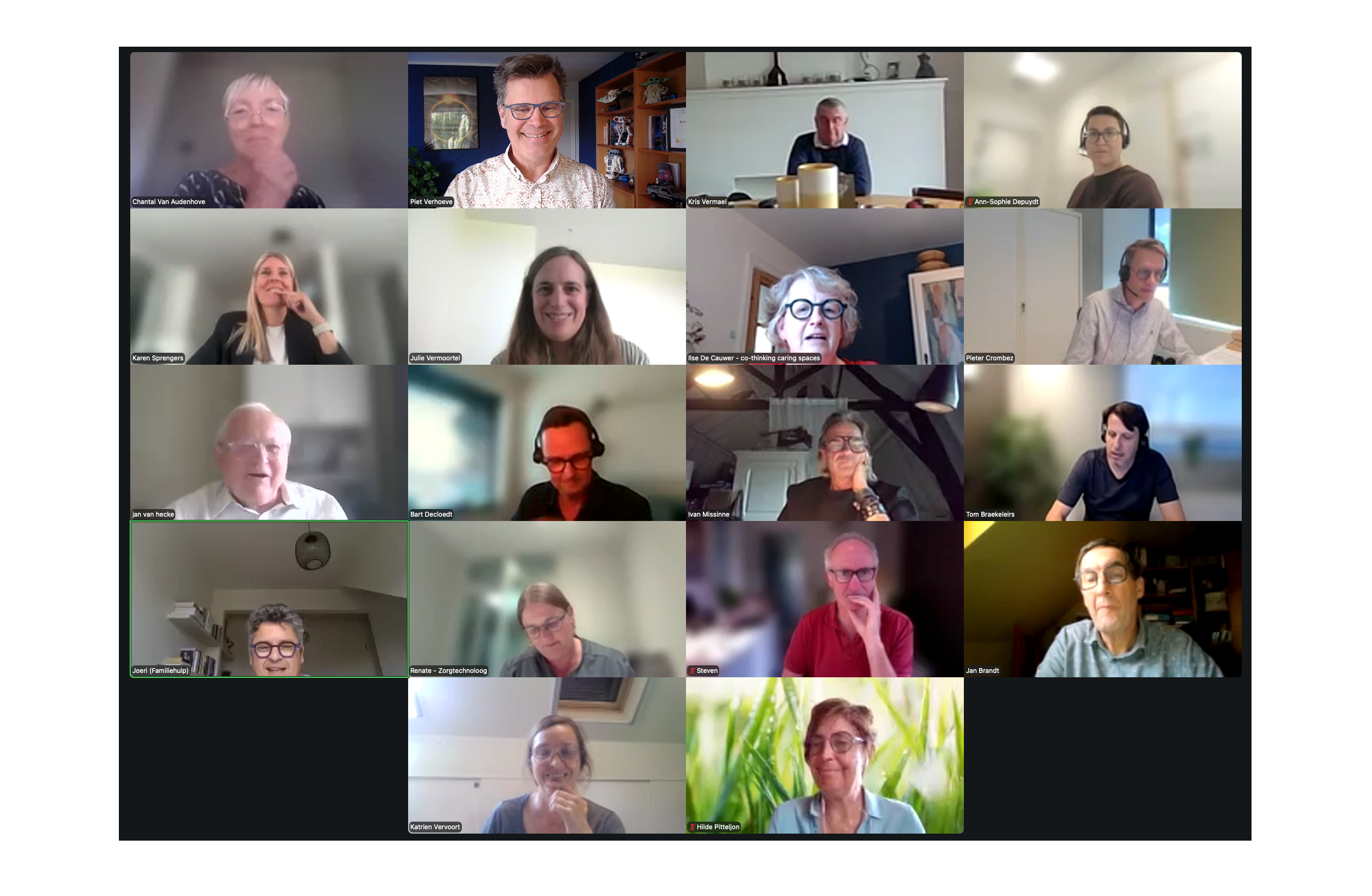
The renewed PRoF in practice. A different format, but the same ambition to create value together.
The number of participants was encouraging. The online format worked. More importantly, the discussions were lively and substantive.
Several people who could not attend, including some very senior participants, explicitly took the time to write and explain why they could not join.
Absence normally tells you very little. But sometimes the effort people make to explain an absence tells you quite a lot about how much they still care.
A successful past is not a reason to continue. But neither is lost momentum automatically a reason to stop.
The real question for any innovation ecosystem is whether the underlying need still exists and whether the collaboration can evolve to create value in today's context.
Restarting an innovation ecosystem makes sense when the shared need is still relevant, collaboration can still create additional value, and the model can evolve to fit the current context.
That is ultimately what strategic collaboration requires: regularly checking whether working together can still create value that the organisations could not create alone.
Sometimes good innovation management means stopping something that has lost its relevance.
Sometimes it means giving something valuable a second life.
Always choose based on the value you can create next.
Warm regards,
Piet V.

P.S. Is there a collaboration in your organisation that faded away, but might deserve a fresh strategic look?



Responses