
Innovation Consortium Building: Why Mise en Place Beats Proposal Panic
Sep 01, 2026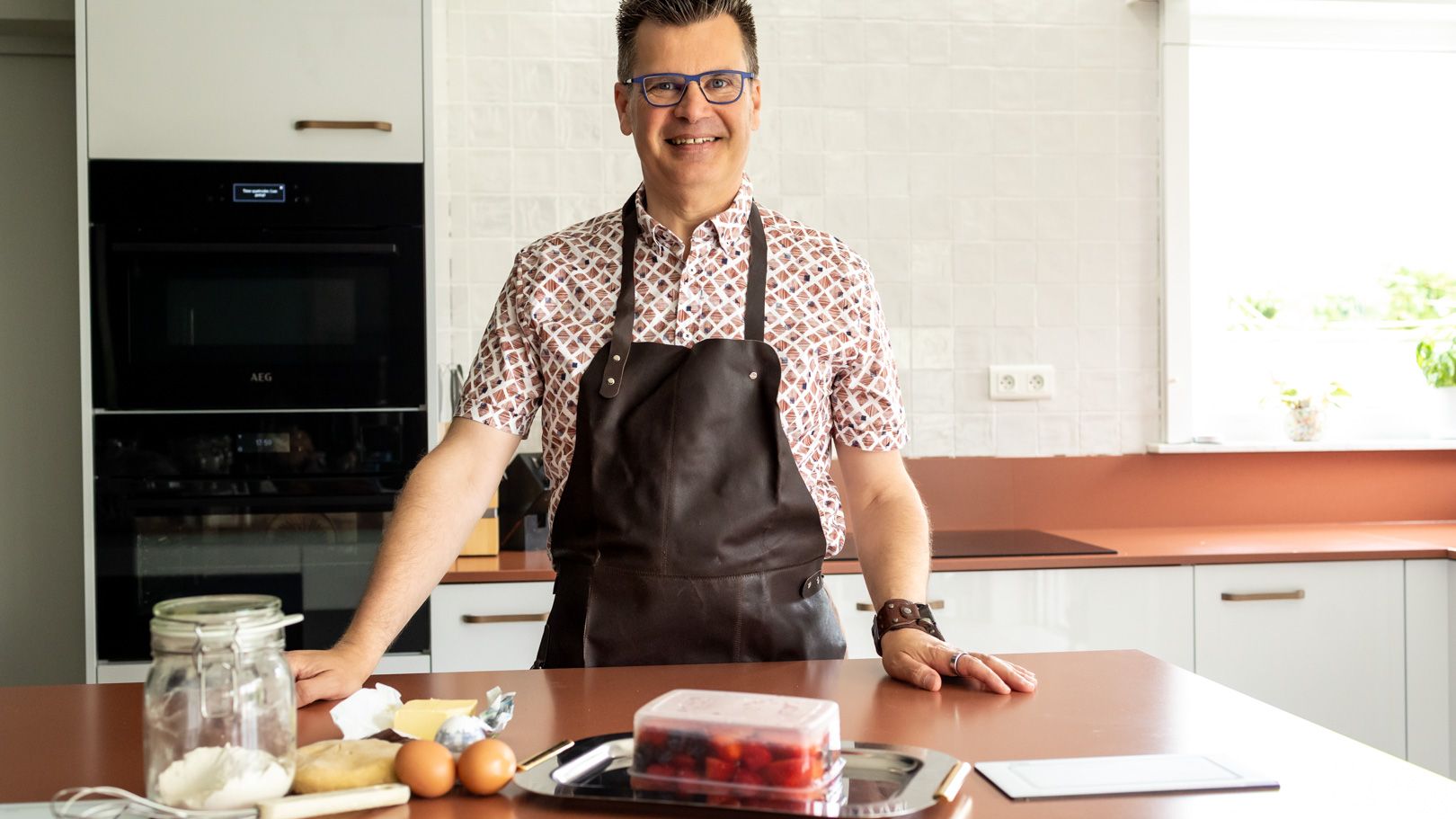
Some time ago, while supporting an innovation consortium building process in the early stages of a collaborative funding proposal, I received a message from one of the partners.
They were disappointed.
The proposal text, they wrote, had not really evolved beyond the initial idea. After several meetings, exchanges, and discussions, they had expected to see a more mature project. Instead, the text still felt like the first concept, only with a few extra words around it.
And they were right.
The initial document had not changed much.
But that was not because nothing had happened. It was because I had deliberately held back on the writing process. Before turning the idea into proposal text, I wanted to do the mise en place first.
I understood the disappointment. When people invest time in a consortium, they want to feel that their effort is moving somewhere.
The project vision still needed clarification. The partner roles were not yet mature. Some assumptions still had to be tested. The missing expertise was not fully visible yet. And not all partners were fully clear about their own commitment. Some still needed to understand what the project would mean for them, what role they could realistically take, and whether the expected effort matched the value they saw.
In other words, the real consortium was still being shaped.
The cake was not ready to go into the oven.
That moment captured a tension I often see in collaborative innovation projects: the difference between visible progress and necessary preparation.
Sometimes, the proposal text grows faster than the consortium itself.
A funding call appears. A deadline is approaching. Partners are enthusiastic. Someone opens the proposal template. Work packages are created. Text starts moving from one version to the next. Meetings are scheduled to “make progress”.
And in a way, progress is visible. There are documents. There are comments. There are action points. There is a growing number of pages.
But sometimes, the proposal text grows faster than the consortium itself.
The idea has not yet matured. The partner roles are not yet clear. The shared ambition is still vague. The assumptions have not been tested. The missing expertise has not yet been identified. The consortium is already writing, while it is still preparing to understand what it is actually trying to build.
That is when proposal writing becomes risky. It creates the feeling of movement, but not necessarily the substance of progress.
Done well, preparation does not delay proposal writing. It makes the writing faster, sharper, and more convincing once the real work starts.
This is why alignment by design matters so much in collaborative innovation projects: the strongest proposals are built before the writing starts.
And that brings me to a concept from cooking and baking that fits consortium building surprisingly well: mise en place.
In cooking and baking, mise en place means putting everything in place before you start. Your ingredients are ready. Your tools are on the counter. The oven is warming up. The butter is at the right temperature. The flour is measured. The eggs are waiting. You are not yet baking, but you are already making the cake more likely to succeed.
For a beginner cook, especially one eager to try the recipe, this can feel slightly annoying. Why spend time putting everything on the counter when the real work is in the mixing, baking, and tasting? Why not just start and collect things along the way? That impatient feeling is very recognisable. It is the small inner voice saying: “Come on, let’s move. We are losing time.”
And yet, that feeling is often the first warning sign that you may be going too fast.
For an experienced cook, mise en place is not wasted time. It is what makes the actual cooking smoother, calmer, and more efficient.
The same is true when building a collaborative innovation consortium.
Why the funding call is not the real starting point
When baking a cake, the recipe matters. Of course it does. But the recipe alone does not guarantee a good result.
You need the right ingredients. You need them in the right quantities. You need to understand which ingredients can be replaced and which ones are essential. You need the right sequence. You need to know whether the butter should be cold, melted, or softened. You need to know when to mix, when to fold, and when to leave the batter alone.
The same applies to collaborative innovation projects.
The funding call, programme conditions, or investor requirements are like the recipe. They tell you what type of cake is expected. They define constraints, evaluation criteria, deadlines, and formal requirements.
But they do not automatically tell you whether you have the right partners, whether they share the same ambition, whether their objectives are aligned, or whether they are ready to collaborate in the way the project needs.
A consortium proposal is not only a document to be submitted. It is a promise between partners about the work they are willing to build together.
That preparation has to happen before the proposal takes over.
Cooking without mise en place slows everything down
Imagine baking a cake without preparing your ingredients first.
At first, it may feel efficient. Why spend time measuring flour, softening butter, finding the baking tin, checking the eggs, and preheating the oven before you start? You can simply follow the recipe step by step and collect what you need along the way.
But once the cooking process starts, reality changes.
You mix the first ingredients, then realise the sugar is still in the pantry. You wash your hands, walk across the kitchen, open a cupboard, search for the right bag, come back, measure it, and continue. Then the recipe asks for softened butter, but the butter is still cold in the fridge. So you wait, or you try to soften it too quickly, which changes the texture. Then you need baking powder and discover it is not where you expected. You start looking through drawers and shelves while the half mixed batter is waiting on the counter.
None of these interruptions seem dramatic on their own. But together they make the cooking process slower, messier, and more stressful.
The actual baking time does not change, but the total preparation becomes much longer. More importantly, your attention is no longer on the quality of the cake. It is on finding, fixing, searching, replacing, and catching up.
That is exactly what happens when a consortium starts writing a proposal without doing the collaboration mise en place first.
Every missing ingredient becomes an interruption during the proposal process. A missing partner profile leads to extra meetings. An unclear role leads to rewritten work packages. A vague ambition leads to endless discussions about impact. A partner without mandate leads to delays. A hidden assumption leads to confusion just when the deadline is getting closer.
Many proposal problems start with hidden assumptions in innovation concepts that are only discovered once writing has already started.
The team is working hard, but too much energy goes into recovering from poor preparation.
A full calendar is not the same as progress. A long proposal is not the same as maturity. A busy kitchen does not guarantee a good cake.
The real cost is not only time, it is lost flexibility
The biggest risk of cooking without mise en place is not just that you lose time. It is that you lose flexibility.
Before you start, almost everything can still change.
If you discover you do not have enough apples, you can decide to bake a pear cake. If you have no almonds, you can choose a different topping. If the butter is missing, you can select another recipe. If you realise your baking tin is too small, you can adapt the quantities or bake two smaller cakes.
At that moment, changing direction is easy because nothing has really started yet.
But once the batter is half mixed, the situation is different. You cannot easily decide to bake another cake. You cannot remove the eggs. You cannot change the flour. You cannot suddenly turn a delicate sponge cake into a dense fruit cake without consequences.
The ingredients are already interacting. The recipe is already shaping the outcome.
A consortium works in the same way.
Before the proposal writing starts, you can still adapt the project vision quite easily. You can change the scope, look for another partner, rethink the expected impact, adjust the balance between research and implementation, or decide that the project should target a different call.
But once the proposal is half written, flexibility drops.
The work packages are connected. The budget logic has been built. Partners have started defending their role. The impact story has taken shape. The lead partner has invested time in a certain direction. People become emotionally attached to what is already on paper.
At that stage, changing the project no longer feels like smart adaptation. It feels like throwing work away.
That is why poor preparation often leads to weak compromise. Instead of redesigning the cake, the team tries to rescue the batter. They add a partner where the logic is thin. They adjust wording without solving the underlying misalignment. They keep a work package because someone already wrote it. They accept unclear roles because there is no time left to reopen the discussion.
The result may still look like a proposal. It may even be submitted on time. But it is less coherent, less convincing, and more fragile during execution.
Why partners cannot wait forever
There is another danger in cooking without mise en place: some ingredients are already in motion while you are still searching for the rest.
Imagine you start baking and place butter in a warm pan. Then you realise the sugar is still in the pantry. While you look for it, the butter starts to brown. You return, but now the recipe asks for eggs. You open the fridge, discover you are one egg short, and start thinking about alternatives.
Meanwhile, the butter keeps cooking.
What started as a simple delay has now changed the ingredient itself. It is no longer the same butter you intended to use. It may still be usable for another recipe, but it no longer fits the cake you had in mind. If you wait too long, it burns. At that point, the issue is no longer inefficiency. It is structural loss.
The same can happen with dough, sauce, chocolate, caramel, or yeast. Some parts of the process are sensitive to timing. Once activated, they need attention. You cannot pause them endlessly while you organise the rest of the kitchen.
Consortium building has a similar risk.
When you involve a potential partner too early without having the basics ready, you create expectations. They invest attention. They join meetings. They listen to the ambition. They may start imagining their role. But if the process then keeps lingering, if every meeting repeats the same questions, if decisions are postponed, or if the overhead becomes too heavy compared to the visible progress, their interest starts to fade.
At first, this may not be obvious. They still attend. They still answer emails. They still say the project sounds interesting.
But their energy changes.
They become slower to respond. They send someone else to the meeting. They stop challenging the concept. They contribute less actively. They no longer think like a co-owner, but like an observer waiting to see whether something real will happen.
In cooking terms, the ingredient has started to burn.
Overhead can damage commitment
This is one of the hidden costs of poor preparation. It does not only slow the process down, it can damage the willingness of partners to stay engaged.
When a consortium building process feels too heavy too early, partners may start to question the balance between effort and expected value. For an SME innovation manager, this can happen quickly. Their time is limited, operational pressure is high, and every hour spent in a meeting must feel connected to potential results. If the process creates too much overhead before the value is clear, the project starts to feel like a burden.
For a corporate innovation manager, the issue may appear differently. They may still believe in the project, but internal attention is fragile. If the consortium process drags on without clear structure, it becomes harder to keep leadership interested. The project loses momentum internally before it even starts externally.
For a postdoc researcher, a lingering process can also be risky. Proposal work is often squeezed between research tasks, publication pressure, teaching, and funding deadlines. If the collaboration remains vague for too long, the opportunity cost becomes too high. Another call, another partner, or another research track may start to look more attractive.
This is why mise en place is not only about having all ingredients on the table. It is also about knowing when to bring sensitive ingredients into the process.
Some partners should be involved early because they shape the core recipe. Others should be approached once the concept is clearer. Some stakeholders should be consulted, but not asked to sit through every preparation meeting. Some experts only need to validate a specific part of the recipe.
Good consortium design respects the timing of partner involvement.
Poor preparation can burn trust before the project starts
When partners experience too many unclear meetings, repeated changes of direction, or endless discussions without decisions, they may start drawing conclusions.
- They may wonder whether the lead partner knows what it wants.
- They may question whether the project is mature enough.
- They may fear the administrative burden will only increase.
- They may suspect that their time is not being respected.
- They may start seeing the consortium as a risk rather than an opportunity.
That is a serious problem, because trust and enthusiasm are easier to preserve than to rebuild.
Once a partner mentally steps back, it becomes difficult to bring them fully back into the collaboration. You can send a better version of the proposal. You can schedule another meeting. You can explain that things are clearer now. But the first experience has already shaped their perception.
Just like burnt butter can dominate the flavour of a cake, early frustration can colour the rest of the collaboration.
This is why mise en place should not be seen as an internal exercise only. It is also a way to protect the energy of the partners you want to involve.
When the early process is clear, focused, and respectful of everyone’s time, partners are more likely to stay engaged. They feel that the collaboration is being built with care. They see that their contribution matters. They experience progress instead of overhead.
And that creates a much stronger starting point for the actual proposal.
Sometimes the smartest move in consortium building is not to write another paragraph, but to pause and ask what is not yet ready to be written.
What mise en place looks like for a consortium
For a collaborative innovation consortium, mise en place is not about slowing things down. It is about preparing the collaboration so the proposal process becomes more efficient and more meaningful.
So, before the proposal text starts growing, it helps to pause and check whether the consortium itself is ready to grow.
In practice, this preparation does not have to be heavy. It means checking five things before writing takes over: vision, partner roles, commitment, missing expertise, and shared assumptions.
Before the next proposal meeting, check whether the consortium is ready to write or still needs alignment. If vision, roles, commitment, expertise, and assumptions are unclear, more text will probably create more noise rather than more progress.
More text will probably create more noise rather than more progress.
It means taking time to clarify the cake before assigning the ingredients.
- What are we really trying to build?
- What would success look like at the end of the project?
- Who needs to be involved to make that result credible?
- Which partners are essential, and which ones are supportive?
- Which expertise is missing?
- Which assumptions are we making too easily?
- Which goals are must haves, and which ones are nice to haves?
- Where is there room to adapt?
This preparation helps you avoid one of the most frustrating situations in consortium building: discovering too late that the project you are writing is not the project your partners are actually ready to build.
Good mise en place also makes the proposal stronger. When the partners are aligned before the writing starts, the proposal becomes clearer, more consistent, and more convincing. Reviewers can feel when a consortium is truly built around shared ownership rather than stitched together to satisfy formal call requirements.
Missing partners are easier to handle before writing starts
The most valuable moment to discover that something is missing is before the real cooking starts.
If you notice early that you do not have enough flour, you still have choices. You can go and buy flour. You can change the recipe. You can bake something smaller. You can choose another type of cake. You can decide not to bake today.
All of those options are still available because you have not yet committed the ingredients to the process.
In consortium building, the same principle applies.
If you discover early that a partner is missing, you can search for one. If you realise the available partners do not support the original ambition, you can adapt the project scope. If you see that the technology partner and the market partner interpret the opportunity differently, you can create a better shared vision. If the intended end user does not recognise the need, you can rethink the value proposition.
These changes are not failures. They are signs that the preparation is working.
The real problem is not discovering a missing ingredient. The real problem is discovering it when the proposal is already half written, the budget is already divided, and everybody has become emotionally attached to the first version of the cake.
At that stage, flexibility drops. People defend what has already been written. Changing course feels like losing work. The project becomes harder to improve, even when everyone knows improvement is needed.
Mise en place creates better collaboration, not just better proposals
A strong consortium is not just a group of organisations listed in a proposal. It is a group of people and organisations that understand why they are building something together.
That understanding does not appear automatically. It is created through preparation, conversation, listening, and careful design.
For postdoc researchers, this means not only explaining the scientific value, but also clarifying how industry partners will use the results and what kind of collaboration they need.
For SME innovation managers, it means checking whether the consortium can deliver practical value without creating too much complexity or delay.
For corporate innovation managers, it means making sure the project fits strategic priorities, internal decision processes, and the realities of implementation inside a larger organisation.
Each of these partners may use the same words, but they may not mean the same thing. “Pilot”, “prototype”, “validation”, “impact”, and “market readiness” can have very different meanings depending on the organisation.
Mise en place brings those assumptions to the surface early, before they become expensive misunderstandings.
Preparation is not the opposite of speed
Some people resist preparation because they fear it will slow them down.
But anyone who has cooked under time pressure knows the opposite is true. Mise en place creates speed because it removes friction from the execution.
You do not stop every two minutes to search for a spoon. You do not interrupt the process to weigh sugar. You do not discover too late that the oven is cold. You do not leave butter burning in the pan while you look for eggs. You can focus on the craft of baking.
In collaborative innovation, good preparation creates the same effect.
The proposal writing becomes faster because the direction is clear. Meetings become more useful because the right questions are on the table. Partners contribute better because they understand their role. The project logic becomes stronger because it is built on alignment rather than assumption.
And that is where growth happens.
A well prepared consortium is more likely to create a strong proposal, secure support, and deliver results that matter. Not because everything is controlled from the start, but because the partners have created enough shared understanding to adapt when reality changes.
Prepare the consortium before writing the proposal
There is nothing wrong with enthusiasm. In fact, every strong innovation project needs it. But enthusiasm alone does not bake the cake.
Before diving into the proposal, prepare the consortium.
The goal is not to look busy. The goal is to build something that can actually work.
Clarify the vision. Check the ingredients. Understand the partners. Look for missing expertise. Surface assumptions. Adapt the recipe while adaptation is still easy. Bring partners into the process at the right moment, before their energy is wasted by overhead, unclear meetings, or endless waiting.
That is the real value of mise en place in consortium building.
It turns proposal writing from a stressful race against the deadline into a structured process of building alignment, ownership, and trust. And when that happens, the final project has a much better chance of becoming more than an approved document. It becomes a collaboration that can deliver real results.
If you recognise this pattern in your own consortium building or proposal work and want to explore how to bring more structure into the early preparation phase, you can reach out via the contact page. I am happy to think along with you.
Hey!

